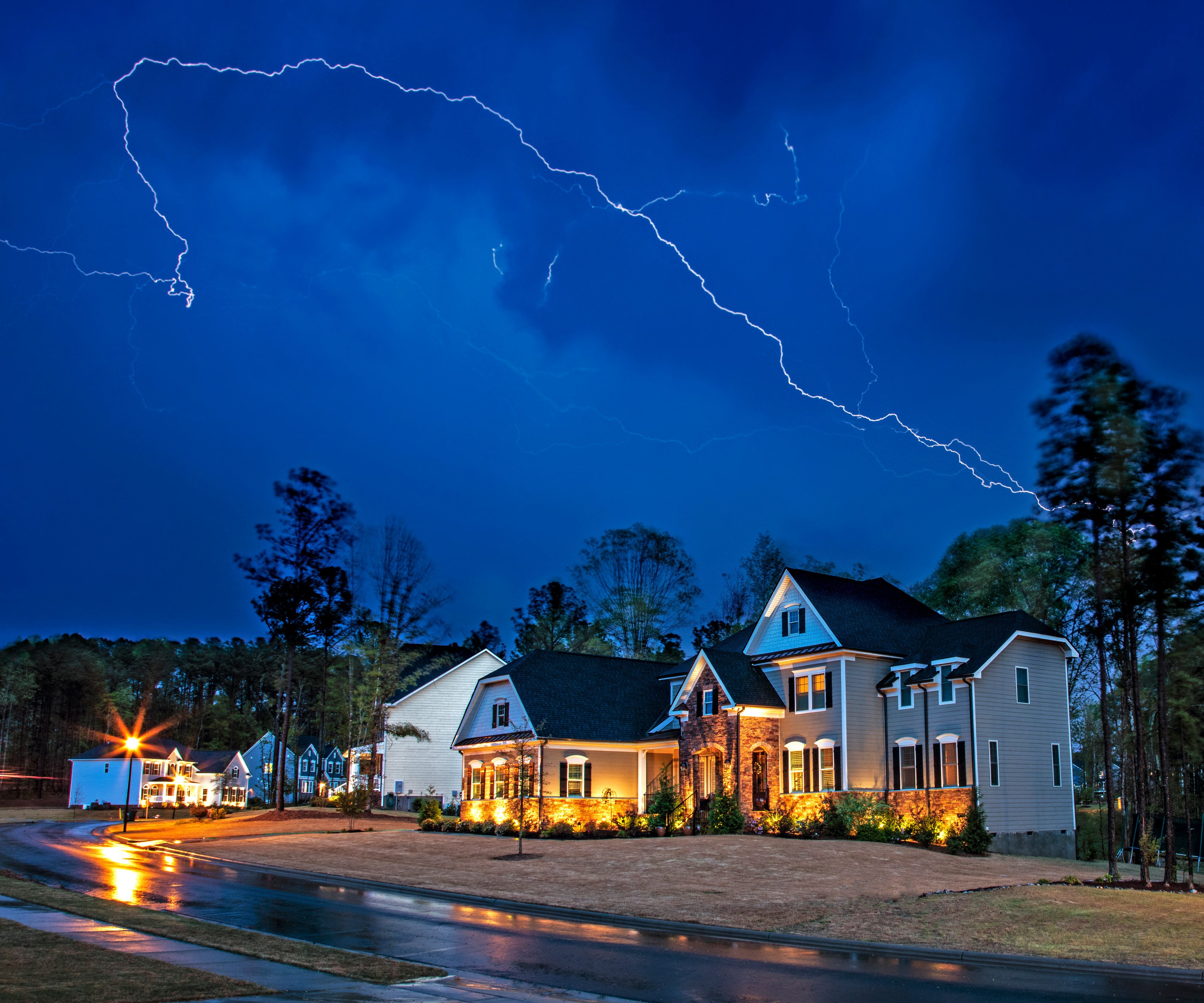
Storms and extreme weather events are natural phenomena that pose significant challenges to our power grid. High winds, heavy rain, and lightning can wreak havoc on electrical infrastructure.
The power grid is a complex network. It is vulnerable to both natural and man-made threats. Understanding these vulnerabilities is crucial for improving grid resilience.
Climate change is a key factor in the increasing severity of weather events. This escalation leads to more frequent power outages. Such disruptions have far-reaching economic and social impacts.
Modernizing the grid is essential. It involves integrating renewable energy sources and smart technologies. These advancements can enhance grid reliability and response times.
Community preparedness and collaboration are vital. They help mitigate the effects of power outages. Together, we can build a more resilient power grid for the future.
Understanding the Power Grid and Its Vulnerabilities
The power grid is a vast, intricate system. It transports electricity from producers to consumers. Its efficiency ensures our homes and businesses stay powered.
However, the grid is susceptible to several risks. Physical damage to infrastructure is a common issue. This can result from weather events or human interference.
Several factors contribute to grid vulnerabilities:
- Aging equipment and outdated technology
- Limited redundancy in the system
- Proximity to densely populated areas
These weaknesses can lead to extensive power outages. Such disruptions can affect critical services. They might also impact transportation and communication networks.
To tackle these problems, grid modernization is crucial. Incorporating advanced technologies can mitigate risks. Improved infrastructure design is needed to withstand natural threats.
How Storms and Extreme Weather Impact the Power Grid
Storms and extreme weather events have severe impacts on the power grid. High winds can knock down power lines. Hurricanes and tornadoes can destroy substations and poles.
Heavy rains and flooding are also a concern. Water can submerge electrical systems, leading to outages. Submerged infrastructure can take days to repair.
Here’s how various weather factors affect the grid:
- High Winds: Damage lines and poles
- Heavy Rain and Flooding: Submerge and damage infrastructure
- Lightning Strikes: Cause fires and equipment failures
Ice storms present unique challenges. Ice can accumulate on lines, snapping them under weight. Fallen branches from trees also increase this risk.
Extreme heat puts additional stress on the power grid. Demand for cooling increases electricity consumption. This can result in strain and potential failures.
These weather conditions highlight the grid's vulnerability. Understanding these impacts aids in preparing better responses. Strengthening infrastructure helps reduce the chance of outages.
Types of Extreme Weather Events and Their Effects
Extreme weather events affect the power grid in diverse ways. Hurricanes are notorious for causing widespread destruction. They topple transmission lines and submerge electrical stations.
Tornadoes strike with localized but intense force. They can tear through infrastructure in minutes, causing extensive damage. Rebuilding efforts can stretch over weeks or months.
Ice storms have a unique impact. They coat power lines with heavy layers of ice. This results in snapped lines and lengthy outages.
Flooding often follows storms, presenting additional dangers. Water levels can rise quickly, covering electrical equipment. Restoring power under such conditions is both difficult and risky.
Some major extreme weather events include:
- Hurricanes: Massive destruction, widespread outages
- Tornadoes: Intense damage to local infrastructure
- Ice Storms: Heavy ice accumulation causing outages
- Flooding: Submersion of electrical infrastructure
Each event poses unique challenges. Understanding these helps in planning resilient power grids. Better preparedness leads to faster recovery and restoration efforts.
The Role of Climate Change in Grid Vulnerability
Climate change is a key factor in increased grid vulnerability. It intensifies storms and creates more unpredictable weather patterns. This unpredictability makes it harder to prepare for potential outages.
Rising global temperatures contribute to extreme weather frequency. Heatwaves and droughts place additional demands on power systems. The grid struggles to keep up with the increased power needs.
Sea levels are also rising due to climate change. Coastal power stations and infrastructure face increased risk from storms and flooding. This risk demands new strategies for protection and adaptation. Climate change's impact on the grid is undeniable.
Economic and Social Consequences of Power Outages
Power outages have far-reaching economic consequences. Businesses face disruptions, leading to revenue losses. Recovery costs add financial burdens to communities.
Socially, outages impact daily life significantly. Essential services like hospitals may struggle without power. This disruption can threaten public health and safety.
Key impacts include:
- Business closures and financial losses.
- Interruption of critical services.
- Increased vulnerability for at-risk communities.
These outages highlight the importance of a resilient grid. They remind us of the urgent need for improved infrastructure and preparedness. Addressing these vulnerabilities can mitigate economic and social impacts.
Solutions: Technology, Policy, and Community Preparedness
Technology plays a transformative role in enhancing grid resilience. Smart grid systems allow for real-time monitoring. This can drastically cut down response times during emergencies.
Policy changes are equally vital. Regulations can incentivize renewable energy use. Such policies also encourage utilities to invest in modern infrastructure.
Community preparedness is another essential aspect. Public awareness programs can make a difference. Educating residents about energy savings can reduce grid strain.
Effective solutions involve a coordinated approach. This can include:
- Investing in energy storage systems.
- Promoting microgrids for localized power.
- Developing detailed emergency response plans.
Partnerships among all stakeholders can strengthen these initiatives. Together, they provide a robust shield against storms and extreme weather.
Conclusion: Preparing for a More Resilient Future
Building a resilient power grid is crucial as extreme weather events become more frequent. The collective efforts of technology, policy-making, and community involvement are key. By integrating these elements, we create a grid that withstands future challenges.
Proactive strategies will safeguard our energy system and society. Investing in grid upgrades and renewable energy is a valuable long-term solution. This not only ensures reliability but also protects economic stability. Together, these efforts prepare us for a more reliable energy future amid climate shifts.