Summer heat waves bring sweltering temperatures, relentless sunshine, and inevitably, sky-high electricity bills. As your air conditioner works overtime to fight off the sweltering heat, you might find yourself dreading the monthly utility statement. Learning exactly How to Reduce Electricity Consumption During Heat Waves isn’t just about keeping more money in your wallet; it’s also about preventing strain on the local power grid and lowering your household's overall carbon footprint.
Fortunately, with a few strategic adjustments to your daily routine and home environment, you can save on energy without sacrificing your family's comfort. Below, we break down actionable, expert-approved methods to keep your home cool and your bills manageable.
Master Your Cooling Systems
Your air conditioner is likely the biggest energy hog in your home during the summer. Optimizing how it runs is the first step toward significant savings.
Dialing in Smart Thermostat Strategies
When temperatures soar, the immediate instinct is to crank the AC down to freezing. However, utilizing smart thermostat settings for high temperatures is one of the most effective energy savings tips you can implement. The U.S. Department of Energy recommends setting your thermostat to 78°F (26°C) when you are home and raising it by 7 to 10 degrees when you are away. Every degree you raise your thermostat can save you up to 10% on your cooling costs.
Lightening the Load on Your AC
Reducing HVAC load during extreme heat is crucial for both lowering energy consumption and preventing unexpected equipment failure. Here are a few ways to help your system work smarter, not harder:
- Seal Your Home: Sealing air leaks to lower cooling costs is a weekend DIY project that pays immediate dividends. Apply weatherstripping around doors and caulking around window frames to keep hot air out and expensive conditioned air inside.
- Shade Your Equipment: The environment outside your home matters just as much as the inside. Shading outdoor AC units for better performance with trees, shrubs, or a breathable awning can increase efficiency by up to 10%, as the unit won’t have to work as aggressively to cool the surrounding ambient air.
- Consider Upgrades: If you have an older home and are planning a renovation, it pays to research central air vs ductless mini split efficiency. Mini-splits generally lose less energy because they don’t rely on a network of leaky ductwork, making them a fantastic option for targeted, high-efficiency cooling in specific rooms.
Block the Heat: Window Treatments and Passive Cooling
If you’re wondering how to keep house cool without AC—or at least how to minimize your reliance on it—the answer largely lies in preventing solar heat from entering your home in the first place.
The Power of Window Coverings
A very common question homeowners ask during the summer is, "does closing blinds reduce indoor temperature?" The answer is an absolute yes. Roughly 76% of the sunlight that falls on standard double-pane windows enters the home to become heat. Closing your blinds during the sunniest parts of the day drastically cuts down on this solar heat gain.
For an even more robust defense against the sun, you might look into the debate of reflective window film vs blackout curtains. Reflective films are excellent at bouncing UV rays away from the glass while still letting in some natural light, which keeps your home from feeling like a cave. Blackout curtains, on the other hand, provide a heavy physical barrier that traps heat between the window glass and the fabric. Using a combination of both is one of the top energy efficient cooling strategies for summer.
Leveraging Natural Airflow
You can also rely on thermal mass and passive cooling techniques. Materials inside your home, like tile, concrete, or stone floors, naturally absorb heat during the day and release it at night. By keeping your house closed up tight during the scorching afternoon and opening windows to let the cool night air flow over these surfaces, you can naturally regulate the indoor climate and reduce electricity consumption for the following day.
Rethink Your Appliances and Electricity Usage
Everything you plug into the wall generates some amount of heat, which fights against your air conditioning efforts. Managing when and how you use appliances is vital.
Timing Your Chores Right
During heat waves, local power grids are pushed to their absolute limits. Because of this, many utility companies implement peak demand hours electricity rates. These are specific times—usually from late afternoon to early evening (e.g., 4 PM to 9 PM)—when electricity is significantly more expensive.
To avoid these premium charges, determine the best time to run large appliances in summer. Plan to run your dishwasher, washing machine, and clothes dryer late at night or early in the morning. Even better, skip the dryer altogether and let your clothes air-dry on a line.
Kitchen and Utility Efficiency
Your kitchen appliances generate a massive amount of ambient heat.
- Cook Smart: Avoid using the oven. Opt for an outdoor grill, a microwave, or a slow cooker instead.
- Manage the Fridge: Preventing refrigerator overwork in hot weather is an easy but often overlooked way to save power. Ensure your fridge is fully stocked (but not so over-packed that air can't circulate) so the cold items can keep each other chilled. Also, clean the condenser coils on the back or bottom of the unit; a well-maintained fridge won't have to cycle on as frequently to fight off the sweltering summer heat.
Smart Alternatives to Constant Air Conditioning
You don’t always need heavy-duty air conditioning to feel comfortable. Utilizing smaller, targeted cooling devices can make a massive difference in your monthly bill.
Fans and Humidity Control
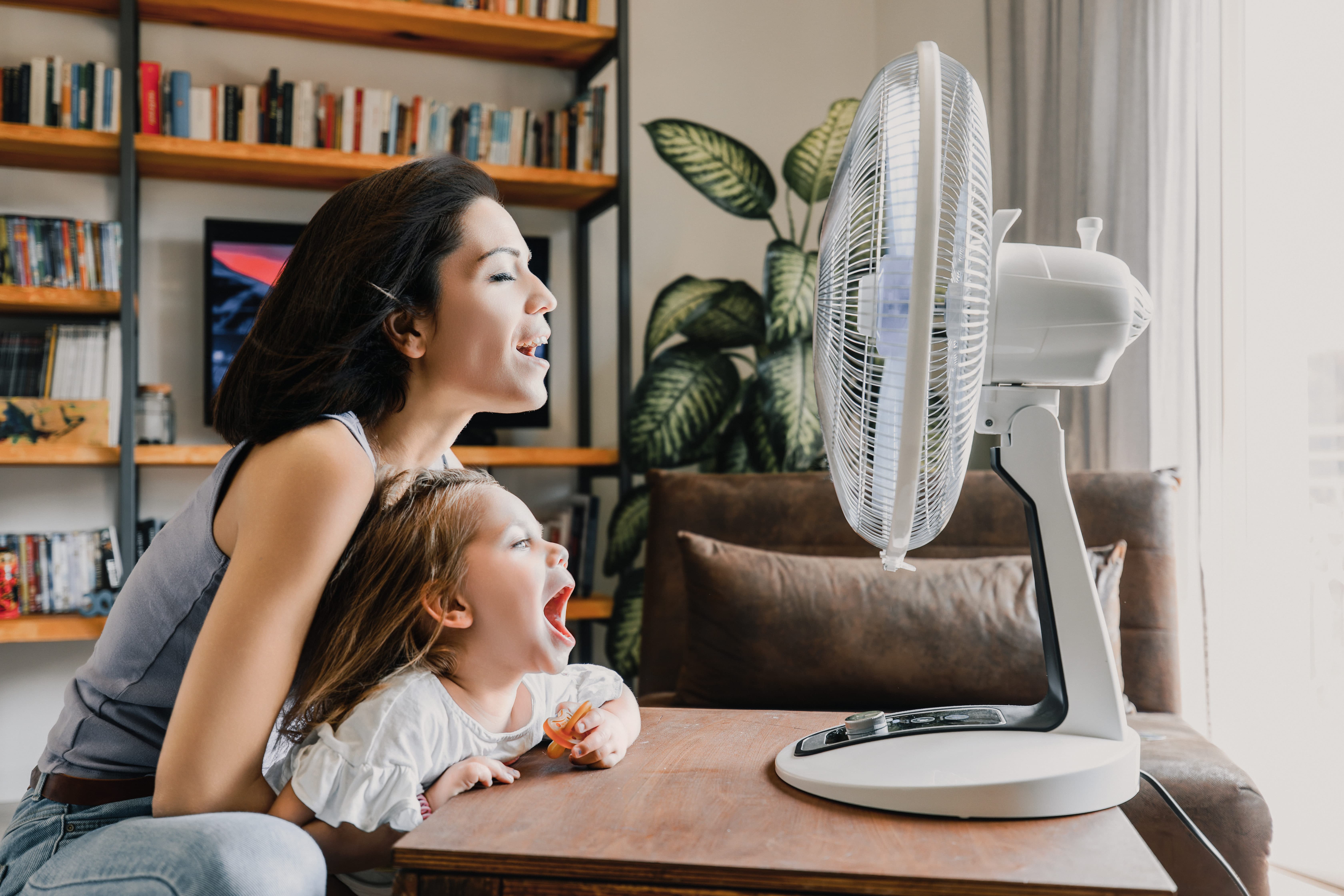
Many people wonder, "are ceiling fans effective during heat waves?" The short answer is yes, provided you use them correctly. Fans cool people, not rooms, by creating a wind-chill effect on your skin. Ensure your ceiling fan is rotating counterclockwise to push a brisk breeze straight down. Just remember to turn fans off when you leave the room, otherwise, you are just wasting electricity on moving hot air around an empty space.
Furthermore, humidity plays a massive role in how hot a room actually feels. When assessing dehumidifier energy consumption vs air conditioning, a dehumidifier can sometimes be the smarter, cheaper choice in moderately warm but highly humid climates. By removing sticky moisture from the air, your body can sweat more efficiently, making an indoor temperature of 78°F feel perfectly comfortable. While dehumidifiers do plug into the wall and use electricity, they generally consume significantly less power than a whole-house central AC unit.
The Bottom Line
Surviving the most oppressive summer months doesn't have to mean dealing with astronomical utility bills. By combining smart thermostat habits, strategic window coverings, and mindful appliance usage, you can maintain a highly comfortable living space. Implement these strategies today to efficiently reduce electricity consumption, help stabilize your local power grid, and enjoy a cool, stress-free summer.