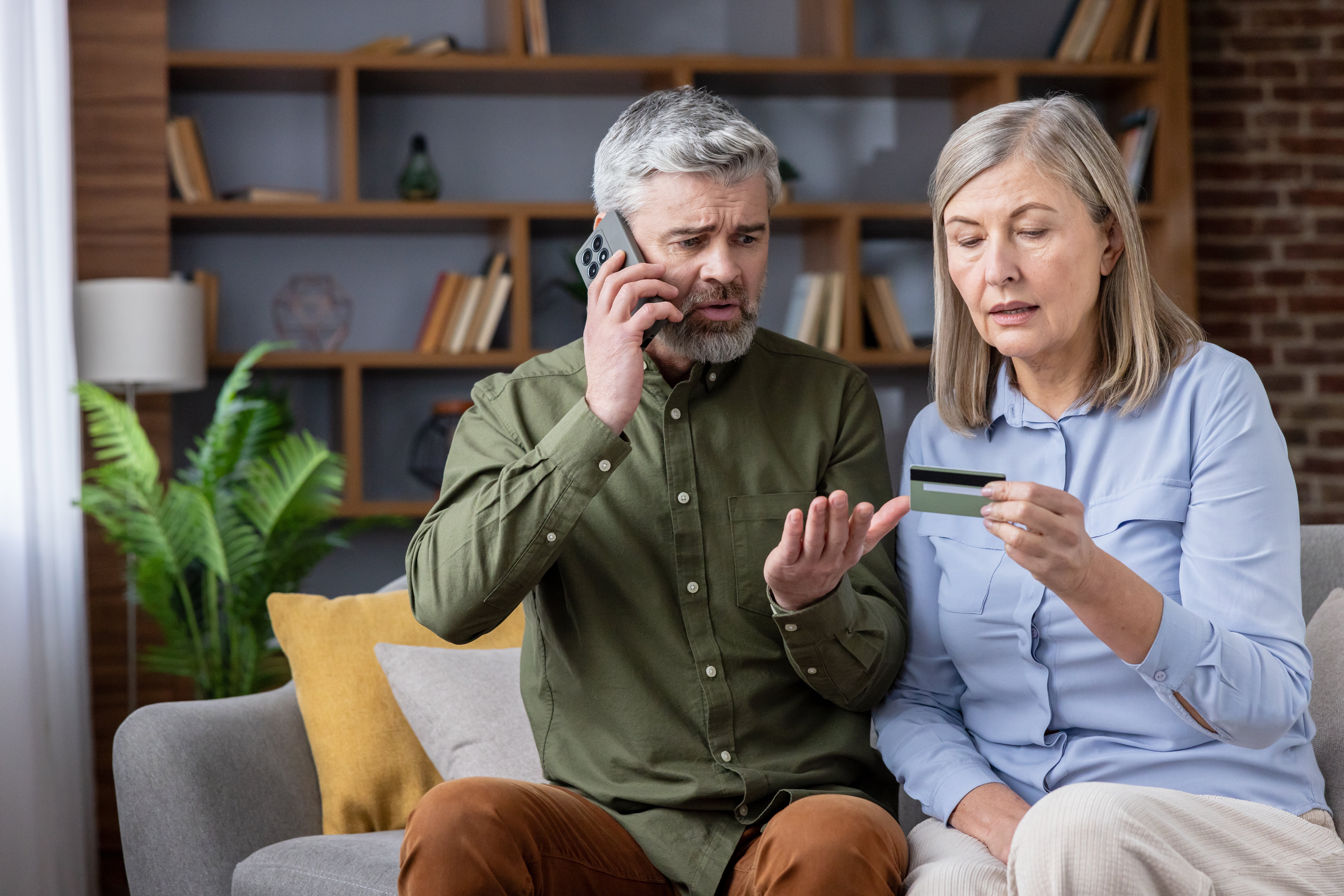
We want to give you a heads-up about something serious. Scammers are targeting energy customers, posing as representatives from energy providers and threatening immediate disconnection unless payment is made on the spot. These calls are fake and knowing how to spot them can save you from losing money.
What the Scam Looks Like
The callers sound professional and urgent. They claim your account is past due, that your power will be shut off within the hour, and that the only way to avoid disconnection is to pay immediately, often by wire transfer, prepaid debit card, or at a retail location like Walmart.
Scammers will try to pressure you to pay immediately. For example, a customer may be told she owes several hundred dollars and needed to pay at Walmart. In another, a customer will be threatened with disconnection within the hour unless they paid thousands of dollars.
Scammers sometimes claim to be from the utility company (like Oncor or your local electric cooperative), or your retail energy provider. Either way, the playbook is the same: create panic, demand immediate payment, and pressure you before you have a chance to think or verify.
Red Flags to Watch For
Legitimate energy companies will never do the following:
- Demand payment over the phone using prepaid cards, gift cards, wire transfers, or cash at a retail store
- Threaten to disconnect your service within the hour with no prior written notice
- Pressure you to pay immediately without giving you time to verify your account
- Ask for payment through an app or third-party service not listed on your account
- Refuse to give you a callback number or representative ID
What to Do If You Get One of These Calls
Hang up. You do not owe the caller anything, and engaging with them gives them more opportunity to pressure you.
Check your account directly. Log into your APG&E MyAccount or call the number on your bill to verify your balance and account status.
Do not make any payments. Especially not via prepaid card, gift card, wire transfer, or in cash at a retail location.
Report the call. File a complaint with the Federal Trade Commission at reportfraud.ftc.gov and with your state's public utility commission. You can also report the number to local law enforcement.
Alert others. Let family members, especially elderly relatives, know about the scam so they can recognize it too.
Stay Alert, Stay Safe
Scammers target energy customers because utility bills are something most people have, and the fear of losing power is real. But you have rights as a customer, and legitimate companies respect those rights. When in doubt, hang up and verify directly.
If you believe you or someone you know has been targeted, report it at:
Have questions about your account? Contact us. We are always happy to help.