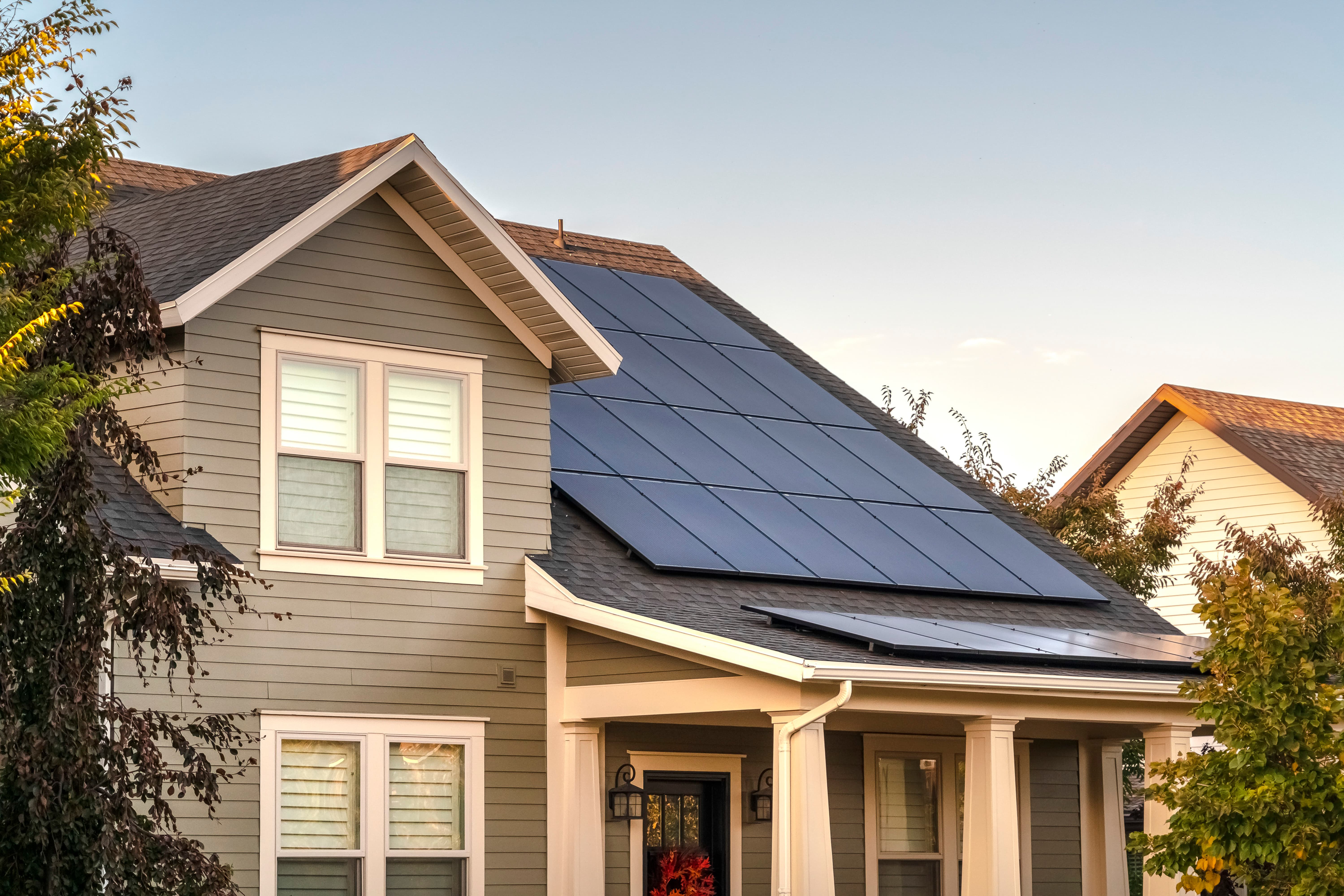
As utility rates continue their upward climb, homeowners across the country are looking for reliable ways to take control of their monthly expenses. Harnessing solar energy is one of the most effective solutions available today, offering a buffer against unpredictable energy markets. However, before committing to a solar installation, you likely want to know exactly how solar panels affect your electricity bill.
The short answer is that they can significantly lower, or even virtually eliminate, your monthly power costs. But the mechanics behind those savings are a bit more nuanced. Let’s break down exactly how generating your own renewable power impacts your wallet, the factors that dictate your savings, and how you can maximize your long-term return on investment.
The Core Question: Do Solar Panels Cover 100 Percent of Energy Use?
When evaluating what your future solar panels electricity bill will look like, it is natural to wonder if you will ever have to pay the utility company again. The reality is that whether you can completely wipe out your bill depends on your daily energy consumption, the physical size of your system, and local utility regulations. So, do solar panels cover 100 percent of energy use? In many cases, yes—but usually on an annual net basis rather than a daily one.
Unless you are completely off-grid, you will still receive a monthly statement. Optimal grid-tied photovoltaic system performance means your panels will likely overproduce during sunny afternoons and underproduce at night. Because you remain connected to the local utility network, you will still encounter minor administrative charges, even if your actual consumption costs drop to zero.
How Solar Power Shrinks Your Monthly Statement
Installing a solar array changes the way you are billed for electricity in several fundamental ways. Here is how your system goes to work for your wallet:
- Bypassing High Tiers: Many utility companies utilize a tiered pricing structure, meaning the cost per kilowatt-hour (kWh) increases as you use more power throughout the month. By generating your own baseline electricity, you stay in the lowest, cheapest tiers, dramatically reducing tiered utility pricing costs.
- Dodging Peak Rates: Time-of-use (TOU) plans charge exorbitant rates during high-demand evening hours when families are home cooking and running appliances. Solar systems, particularly those facing west or paired with batteries, are fantastic for offsetting peak demand electricity rates.
- Earning Credits: Understanding how net metering credits work is vital to projecting your savings. When your panels generate more electricity than your home is actively using during the day, that surplus power is sent backward through your meter into the public grid. In exchange, your utility company credits your account. You then use these banked credits to pay for the electricity you pull from the grid at night.
Key Factors That Influence Your Savings
Not all home solar setups are created equal. The average monthly utility bill reduction varies from property to property based on a few critical, site-specific factors:
1. Panel Efficiency and Quality
The type of equipment you choose plays a major role in your overall savings. When comparing monocrystalline versus polycrystalline panel efficiency, monocrystalline panels typically come out on top. They yield higher power output in smaller spaces and perform slightly better in high heat, making them ideal for maximizing production on a limited roof surface.
2. Roof Characteristics
Your roof orientation and energy production capacity are deeply intertwined. In the Northern Hemisphere, south-facing roofs without tree shade capture the most direct sunlight throughout the day. East and west-facing roofs are also highly viable, though they might produce slightly less total energy, they can be excellent for capturing morning or late afternoon sun.
3. Weather and Seasonality
It is important to set realistic expectations regarding the impact of seasonal weather on solar output. Your system will naturally generate significantly more power during the long, sunny days of summer than during the short, overcast days of winter. Fortunately, robust net metering programs help balance this out by allowing you to bank excess summer credits to cover your winter energy deficits.
Financial Strategies: Maximizing Your Return on Investment
To understand the true financial benefit of going solar, you have to look beyond the immediate monthly bill and evaluate the broader investment.
Financing Your System
One of the first financial choices you will face is deciding between a solar purchase versus power purchase agreement (PPA).
- Purchasing: Buying your system outright—either with cash or a specialized solar loan—maximizes your long-term savings and directly increases your home's property value. You also get to claim all available tax incentives.
- PPA or Lease: Under a PPA, a third-party solar company owns the system on your roof, and you simply buy the power it produces at a locked-in, reduced rate. While this usually requires zero money down, your overall lifetime savings will be notably lower than if you owned the system.
Calculating Your ROI
If you choose to purchase, performing a step-by-step solar ROI calculation will help you see the light at the end of the tunnel.
- Calculate Total Cost: Start with the gross installation quote from your contractor.
- Apply Incentives: Deduct the federal investment tax credit impact (which currently allows you to deduct 30% of the total installation cost from your federal taxes), alongside any local municipal or state rebates.
- Determine Annual Savings: Add up your projected yearly electricity bill savings based on your current utility rates.
- Find the Payback Period: Divide your net installation cost by your annual savings.
For most American homeowners, the average solar investment payback period lands comfortably between 6 and 9 years. Because modern panels are warrantied to last 25 years or more, you will enjoy decades of essentially free electricity once the system pays for itself.
Taking It to the Next Level: Storage and Fees
While traditional grid-tied systems are highly cost-effective, two additional factors are rapidly shaping the future of solar savings.
Battery Storage Integration
If you want to maximize your usage of self-generated power, consider adding a solar battery to your installation. Achieving true home energy independence with battery backup means you can store your excess daytime power directly on-site to use at night or during grid outages. This completely shields you from peak utility rates and provides immense peace of mind during extreme weather events.
Navigating Fixed Grid Fees
Even with a massive solar array and robust battery storage, you will likely notice a small lingering balance on your monthly bill. Most utility companies charge a fixed monthly connection fee just for the privilege of being hooked up to the local infrastructure. While you cannot usually eliminate this charge entirely, minimizing grid connection fees is possible by ensuring your system is correctly sized so you aren't forced onto a higher-tier, high-capacity residential rate plan by your utility provider.
The Bottom Line
Transitioning to renewable energy is one of the most reliable, actionable ways to protect your household from volatile utility markets. By understanding the nuances of net metering, equipment efficiency, and available tax incentives, you can accurately predict your financial outcomes. Whether your primary goal is to wipe out your monthly electricity bill, secure reliable backup power, or simply do your part for a greener environment, investing in a home solar system delivers tangible, long-lasting rewards.