Is Closing Vents Worth It for Summer Cooling?
Discover if closing vents to save on summer cooling is effective. Learn why it may not save energy, potential risks to your AC, and smarter alternatives for cost reduction.
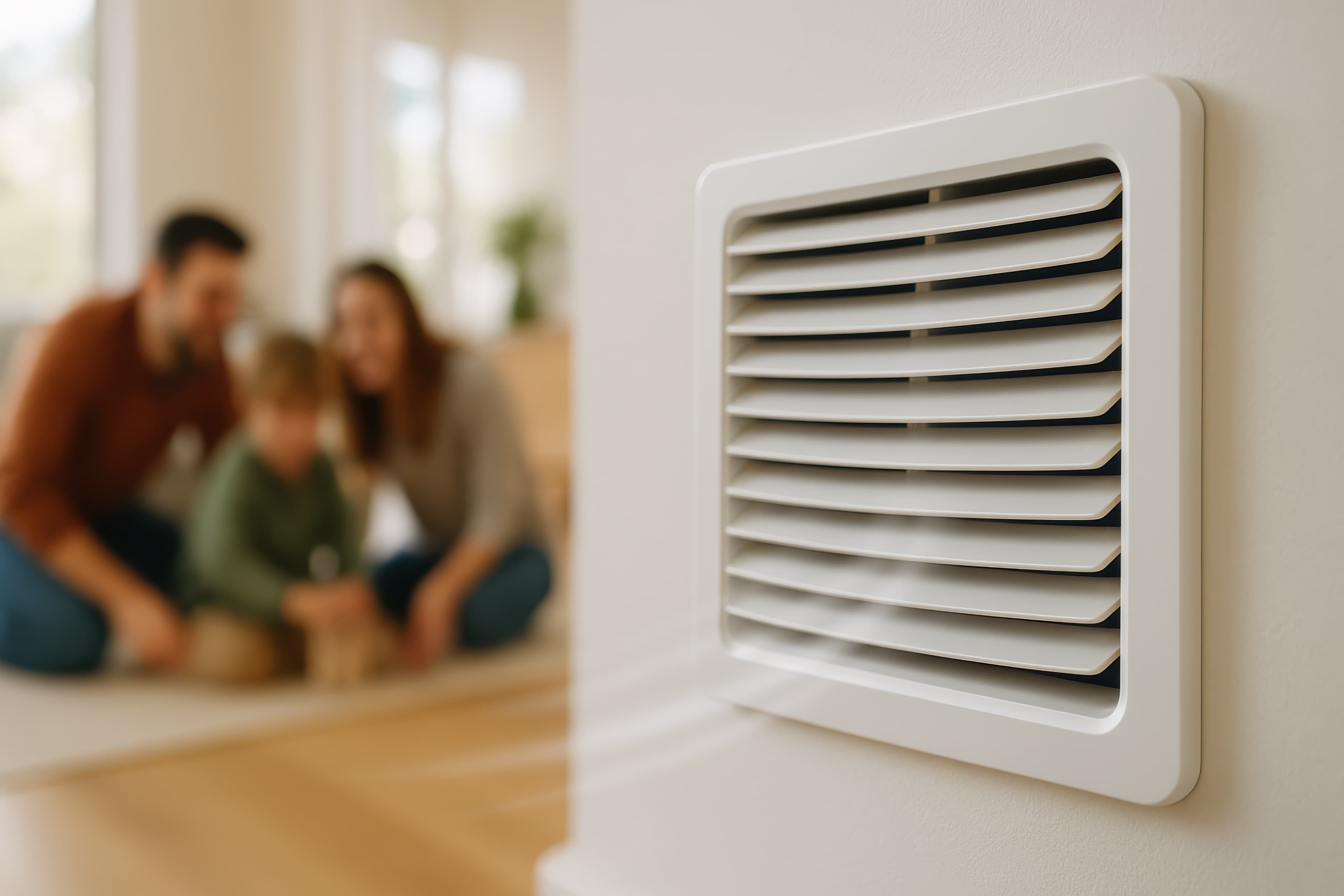
Quick answer: In most homes, closing vents to save on summer cooling is not the energy-saving shortcut it seems to be. While it feels logical to shut off airflow to rooms you are not using, your central air conditioner was usually designed to move a specific amount of air through the whole system. When vents are closed, pressure can build inside the ductwork, comfort can drop, and your AC may work harder instead of less.
Below, we’ll bust the most common myths and give you practical energy-saving tips that are safer, smarter, and more effective.
FAQ: Does closing vents save energy?
Usually, no. The idea sounds simple: close a few vents, cool fewer rooms, spend less money. But central AC systems do not typically adjust that way.
Most residential air conditioning systems are designed to distribute air throughout the home based on duct size, equipment capacity, and airflow needs. When you close supply vents, the blower may still push the same amount of air. That air now has fewer places to go, which can increase static pressure inside the duct system.
That extra pressure may lead to:
- Reduced airflow across the AC coil
- Hot and cold spots throughout the home
- More duct leakage, especially in older ductwork
- Longer cooling cycles
- Added strain on system components
So, if you are wondering, “does closing vents save energy?” the myth-busting answer is: not reliably, and sometimes it can do the opposite.
Should you close vents in unused rooms during summer?
In most cases, you should not fully close vents in unused rooms, especially if you have a standard central AC system.
It may be okay to slightly adjust a vent to fine-tune comfort, but fully shutting several vents can disrupt airflow balance. Your AC is not just cooling rooms; it is moving heat out of your home. Blocking airflow can interfere with that process.
A better approach is to reduce heat gain in unused rooms without choking the HVAC system. For example:
- Close curtains or blinds during peak sun hours
- Keep interior doors open enough for air to circulate
- Seal air leaks around windows and doors
- Use ceiling fans only when people are in the room
- Make sure return air pathways are not blocked
If a room is rarely used and consistently uncomfortable, that may be a sign of a duct design issue, insulation problem, or equipment sizing concern rather than a reason to close the vent completely.
Is it ok to close AC vents in unused rooms if I only close one or two?
Closing one vent slightly is less risky than closing several vents all the way. However, “is it ok to close AC vents in unused rooms” depends on your system, ductwork, and how many vents are affected.
A small adjustment may help redirect a little airflow, but it should not be treated like a true zoning strategy. If you close too many vents, your system may experience airflow restriction. That can cause the evaporator coil to get too cold, potentially leading to freezing, poor humidity control, or reduced cooling performance.
As a general rule, avoid closing more than a small number of vents unless an HVAC professional has confirmed your system can handle it. If you want room-by-room control, a properly designed zoning system or ductless mini-split may be a better solution.
Why does closing vents sometimes make the house feel worse?
Because airflow is a team sport. When one part of the system is blocked, the rest of the home can feel the impact.
Closing vents may create pressure differences between rooms. If a bedroom vent is closed and the door is shut, the room may become pressurized or stagnant, while nearby spaces may be pulled out of balance. This can make some rooms feel stuffy, humid, or warmer than expected.
In summer, humidity matters almost as much as temperature. If your AC short-cycles, struggles with airflow, or cools unevenly, it may not remove moisture effectively. The result: your thermostat says the temperature is fine, but your home still feels sticky.
Can closing vents damage my air conditioner?
It can contribute to stress on the system, especially when multiple vents are closed for long periods.
Potential problems include:
- Increased pressure in the ductwork
- Reduced airflow through the indoor unit
- Frozen evaporator coils
- Higher wear on the blower motor
- More air escaping through duct leaks
- Lower overall energy efficiency
Think of it like placing your hand over part of a garden hose. The water does not disappear; the pressure changes. Your AC system reacts to blocked airflow in a similar way. The energy has to go somewhere, and it may not result in meaningful cost reduction.
What is the difference between closing vents and having a zoned HVAC system?
This is where the myth gets its power. Zoning can save energy when it is designed correctly, but closing vents manually is not the same thing.
A zoned HVAC system uses dampers, controls, sensors, and sometimes variable-speed equipment to direct cooling where it is needed. It is designed to manage airflow and pressure safely.
Closing vents by hand is a much less precise version of that idea. Your system may not know you closed the vents, so it continues operating as if the whole duct network is open. That mismatch can reduce comfort and efficiency.
If your goal is better room-by-room control, ask about options such as:
- Smart thermostats with remote sensors
- HVAC zoning systems
- Ductless mini-splits for additions or hard-to-cool rooms
- Duct balancing by a qualified technician
- Variable-speed AC or heat pump systems
What should I do instead for summer cooling cost reduction?
If your goal is real cost reduction, focus on strategies that reduce heat gain, improve airflow, and help your AC run efficiently.
Start with these high-impact steps:
- Set a smart thermostat schedule Raise the temperature a few degrees when you are away and cool the home before you return. Avoid extreme temperature swings that force long recovery times.
- Replace or clean air filters regularly A dirty filter restricts airflow, which can make your AC work harder. Check filters often during heavy summer use.
- Block solar heat Use blinds, curtains, shades, or window films on sun-facing windows. Less heat entering the home means less heat your AC has to remove.
- Seal air leaks Gaps around doors, windows, attic access points, and ductwork can let cool air escape and hot air enter.
- Use fans wisely Fans cool people, not rooms. Turn them off when you leave, and use them to feel comfortable at a slightly higher thermostat setting.
- Schedule routine AC maintenance A clean coil, correct refrigerant charge, clear drain line, and properly working blower can all support better energy efficiency.
Can closing doors help save cooling energy?
Not always. Closing interior doors can affect airflow, especially if rooms do not have dedicated return vents or transfer grilles.
When a door is closed, supply air may enter the room but have no easy path back to the return side of the system. That can create pressure imbalances and force conditioned air through cracks, gaps, or leaks.
If you want to isolate an unused room, avoid sealing it off completely unless your HVAC system was designed for that. A partially open door or proper return pathway usually supports better airflow.
What about closing vents in a basement or upstairs room?
Be careful. Multi-level homes already have natural temperature differences. Hot air rises, so upper floors often need more cooling in summer, while basements may feel cooler.
Closing basement vents may seem harmless, but it can still affect total system pressure. Closing upstairs vents can make bedrooms uncomfortable and reduce humidity control. Instead of fully closing vents, consider seasonal air balancing, better insulation, attic ventilation improvements, or thermostat sensors that account for upstairs temperatures.
Are there any times when closing vents makes sense?
There are limited situations where slight vent adjustments may be useful. For example, you might partially close a vent in an overcooled room to improve comfort. The key word is partially.
Closing vents should not be your main energy-saving plan. If you need to close multiple vents to feel comfortable, your system may need balancing, repair, duct sealing, or design improvements.
How can I tell if closing vents is causing problems?
Watch for signs that your AC is not happy with restricted airflow:
- Whistling or rushing sounds from vents
- Rooms that feel humid or stale
- Ice forming on the indoor coil or refrigerant line
- Weak airflow from open vents
- Higher energy bills after closing vents
- More dust or uneven temperatures
- AC cycles that seem too short or too long
If you notice these symptoms, reopen the vents and check your air filter. If the problem continues, schedule a professional inspection.
What is the best myth-busting takeaway?
Closing vents to save on summer cooling is usually more myth than money-saver. It may feel like a simple path to cost reduction, but central AC systems depend on balanced airflow. Blocking vents can reduce comfort, strain equipment, and undermine energy efficiency.
The smarter move is to help your home need less cooling in the first place. Seal leaks, manage sunlight, maintain your system, use fans strategically, and consider professional airflow balancing if certain rooms are always too hot or too cold.
Bottom line: instead of asking, “should you close vents in unused rooms?” ask, “how can I reduce heat, improve airflow, and help my AC do its job?” That question leads to better comfort, better efficiency, and a cooler home all summer long.